
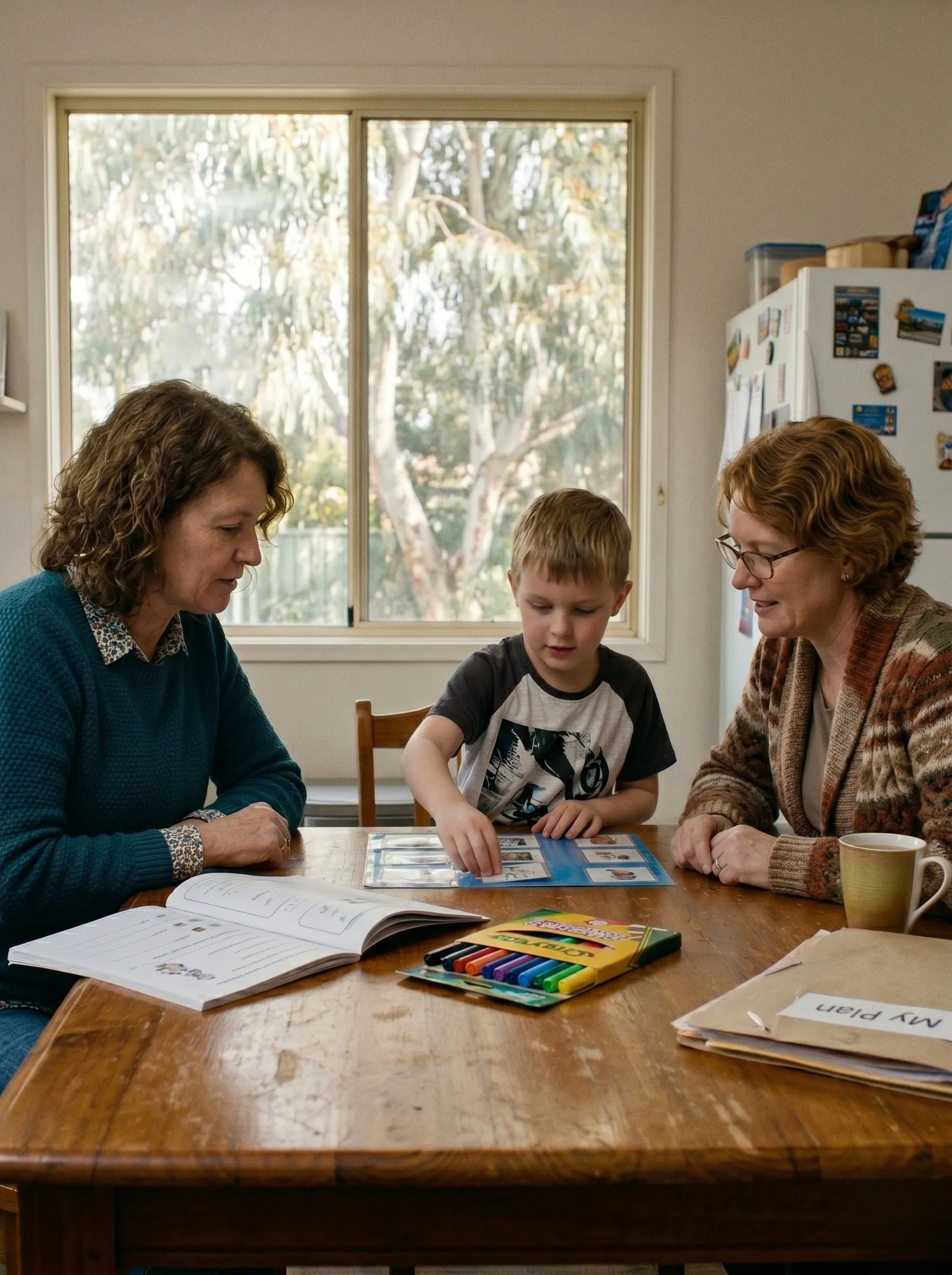
Every autistic child deserves an educational environment where they feel understood, supported, and empowered to succeed. However, translating a child's NDIS goals and clinical support plans into effective, practical strategies within a classroom setting can often feel like an uphill battle for families.
Whether your child is navigating sensory overload, executive functioning challenges, or social-communication barriers, uniting therapists, educators, and carers around a consistent support model is key. Here is how specialized autism strategies and professional school advocacy work together to build lasting independence.
Why Professional School Advocacy Matters for Autistic Students
School advocacy is not about conflict—it is about collaboration. Schools operate under complex frameworks, while families often feel overwhelmed by medical or allied health terminology. A professional school advocate bridges this gap, ensuring your child's unique learning profile is clearly communicated and supported.
- Individualised Education Plans (IEPs): Collaborating with teachers to establish realistic, neurodiversity-affirming goals.
- Sensory & Classroom Adaptations: Identifying practical adjustments (such as quiet zones, movement breaks, or visual schedules) that reduce anxiety.
- Educator Coaching: Equipping classroom teachers and support staff with proactive strategies to prevent dysregulation before it occurs.
Evidence-Based Autism Strategies for Home and School
Effective intervention focuses on skill building and environmental adjustments rather than trying to force compliance. Key focus areas include:
| Focus Area | Practical Strategy & Implementation |
|---|---|
| Executive Functioning | Using visual prompts, step-by-step task breakdowns, and predictable transition routines to support task completion. |
| Emotional Regulation | Developing personalised 'co-regulation' toolkits and identifying early warning signs of sensory overwhelm. |
| Social Communication | Creating neurodiversity-affirming social frameworks that respect self-advocacy and natural communication styles. |
How Telehealth Makes Autism & Advocacy Support Accessible
Telehealth removes geographic boundaries, allowing families across Australia to connect directly with specialized Developmental Educators. Virtual consultations make it simple to include teachers, support staff, and allied health professionals in joint strategy sessions without travel costs or scheduling conflicts.
Frequently Asked Questions
Empower Your Child's Learning Journey Today
Edulink Support Services provides Australia-wide telehealth support for autistic children, young people, and their support networks. Explore our Autism Strategies, Interventions & School Advocacy Services to schedule a consultation with Leigh De Silva today.